
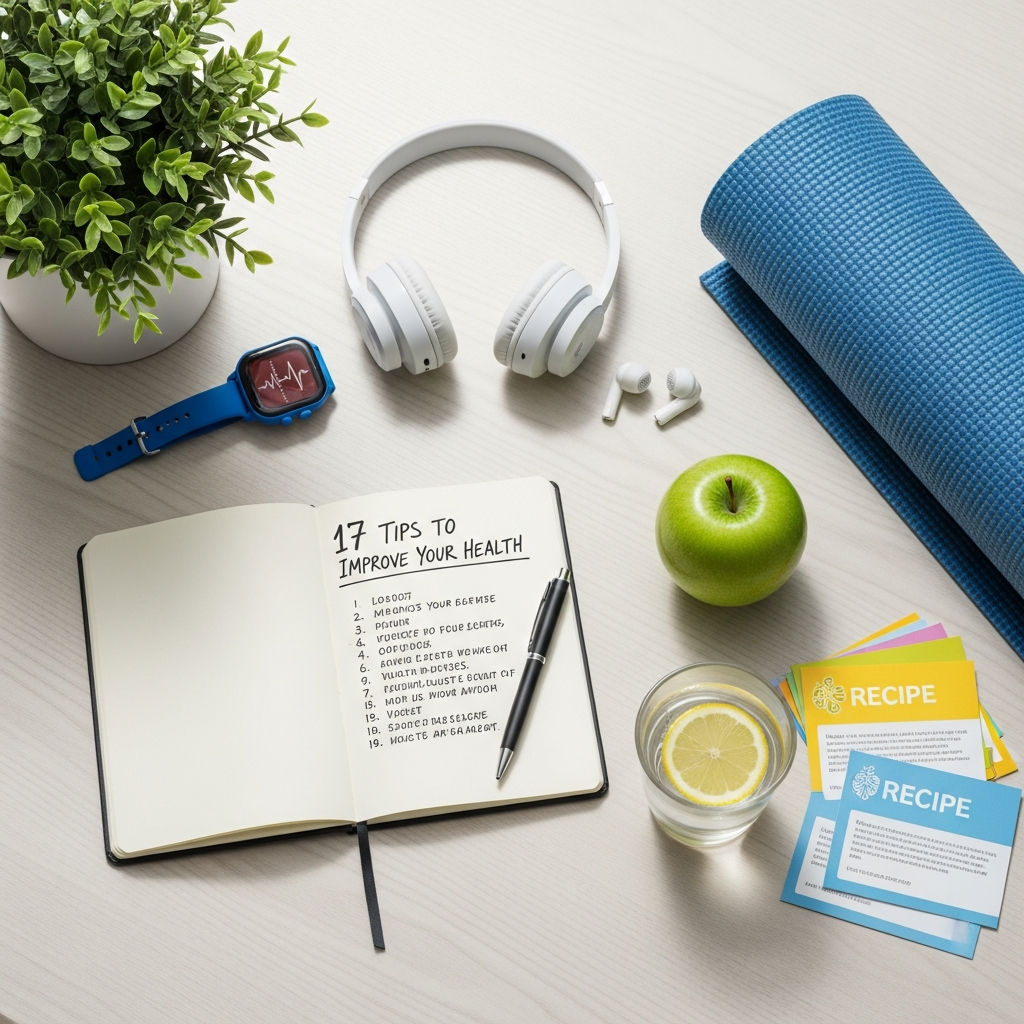
17 Effective Tips to Improve Your Health News
In an era where information is abundant but clarity is scarce, staying on top of your well-being can feel like a full-time job. Whether you are looking to revamp your fitness routine or simply want to feel more energized throughout the day, making small, sustainable changes is the key to long-term success. This guide provides 17 effective tips to improve your health news—bringing you the latest insights into physical, mental, and nutritional wellness.
Improving your health isn’t about drastic overhauls; it’s about the compounding effect of daily habits. By implementing these evidence-based strategies, you can transform your lifestyle and achieve a state of vibrant health that lasts for years to come.
1. Prioritize Hydration Early in the Day
Most people wake up in a state of mild dehydration. Drinking a full glass of water immediately upon waking kickstarts your metabolism and helps flush out toxins. Aim for at least 8 to 10 glasses of water daily. Staying hydrated improves cognitive function, aids digestion, and keeps your skin looking youthful.
2. Focus on Whole, Single-Ingredient Foods
The foundation of any “health news” update worth its salt is nutrition. The simplest rule to follow is to eat foods that don’t have a long list of ingredients. By choosing whole foods like vegetables, fruits, lean proteins, and nuts, you naturally avoid the inflammatory preservatives and hidden sugars found in ultra-processed products.
3. Incorporate Strength Training
Cardio is great for the heart, but strength training is the “organ of longevity.” Building muscle mass helps maintain a healthy metabolism, protects your joints, and improves bone density as you age. Aim for at least two sessions of resistance training per week using weights, bands, or your own body weight.
4. Master the Art of Sleep Hygiene
Quality sleep is the pillar upon which all other health habits rest. To improve your sleep hygiene, try to go to bed and wake up at the same time every day, even on weekends. Ensure your bedroom is cool, dark, and quiet. Limiting blue light from screens at least one hour before bed is essential for the production of melatonin, your body’s sleep hormone.
5. Get Morning Sunlight
Exposing your eyes to natural sunlight within 30 minutes of waking up helps regulate your circadian rhythm. This simple act tells your brain to stop producing melatonin and start producing cortisol and serotonin, which boosts your mood and helps you fall asleep more easily later that night.
6. Practice Mindful Eating
How you eat is often as important as what you eat. Mindful eating involves paying full attention to the experience of eating and drinking. By slowing down and chewing thoroughly, you allow your brain to receive the “fullness” signals from your stomach, preventing overeating and improving nutrient absorption.
7. Walk 10,000 Steps Daily
While the “10,000 steps” figure started as a marketing campaign, the principle holds true: movement is medicine. General daily movement, also known as Non-Exercise Activity Thermogenesis (NEAT), accounts for more calorie burn than a structured workout for many people. Use a pedometer or your smartphone to track your progress.
8. Manage Stress Through Breathwork
Chronic stress is a silent killer that impacts every system in the body. Incorporating just five minutes of controlled breathing—such as the “box breathing” technique used by Navy SEALs—can instantly downregulate your nervous system from “fight or flight” to “rest and digest.”
9. Optimize Your Gut Health
Recent health news frequently highlights the “gut-brain axis.” A healthy gut microbiome is linked to better immunity, mood, and skin health. Include fermented foods like yogurt, kefir, sauerkraut, or kimchi in your diet to introduce beneficial probiotics to your digestive system.

10. Reduce Added Sugar Intake
Excess sugar consumption is a primary driver of obesity, type 2 diabetes, and heart disease. Start reading labels carefully; sugar is often hidden in “healthy” foods like granola bars, dressings, and flavored lattes. Gradually reducing your sugar intake will stabilize your energy levels and reduce brain fog.
11. Cultivate Strong Social Connections
Human beings are social creatures. Studies have shown that loneliness can be as detrimental to your health as smoking 15 cigarettes a day. Make it a point to connect with friends or family regularly. Meaningful social interaction reduces stress and has been linked to a longer lifespan.
12. Practice the 20-20-20 Rule for Eye Health
In our digital age, digital eye strain is a growing health concern. To protect your vision, follow the 20-20-20 rule: every 20 minutes, look at something 20 feet away for at least 20 seconds. This simple habit helps relax the eye muscles and prevents headaches.
13. Don’t Neglect Oral Hygiene
Oral health is a window into your overall health. Gum disease has been linked to an increased risk of heart disease and Alzheimer’s. Brushing twice a day, flossing daily, and visiting your dentist for regular check-ups are essential components of a holistic health plan.
14. Limit Liquid Calories
Soda, energy drinks, and even excessive amounts of fruit juice can add hundreds of empty calories to your diet without making you feel full. Stick to water, herbal teas, or black coffee. This is one of the fastest ways to lose weight and improve metabolic markers.
15. Prioritize Posture
With the rise of “tech neck,” posture has become a major health focus. Poor posture can lead to chronic back pain, reduced lung capacity, and even poor digestion. Periodically check in with your body throughout the day to ensure your shoulders are back and your spine is neutral.
16. Be a Critical Consumer of Health News
Not all health information is created equal. To truly improve your “health news” literacy, look for sources that cite peer-reviewed studies rather than anecdotal evidence or sensationalist headlines. Always consult with a healthcare professional before making major changes to your supplement or medication routine.
17. Focus on Consistency, Not Perfection
The most effective health tip is to keep going. One missed workout or one “unhealthy” meal won’t ruin your progress. It is what you do 80% of the time that determines your health outcomes. Adopt a growth mindset and view your health journey as a long-term evolution rather than a short-term fix.
Conclusion: Your Journey to Better Health
Improving your health doesn’t require a miracle—it requires a method. By integrating these 17 tips into your daily routine, you are taking proactive steps toward a more resilient body and a sharper mind. Remember that health is a personal journey; listen to your body, stay curious about new “health news,” and celebrate the small victories along the way.
Start today by picking just two or three of these tips to implement this week. Once those become habits, add a few more. Over time, these small shifts will lead to a radical improvement in your quality of life.