
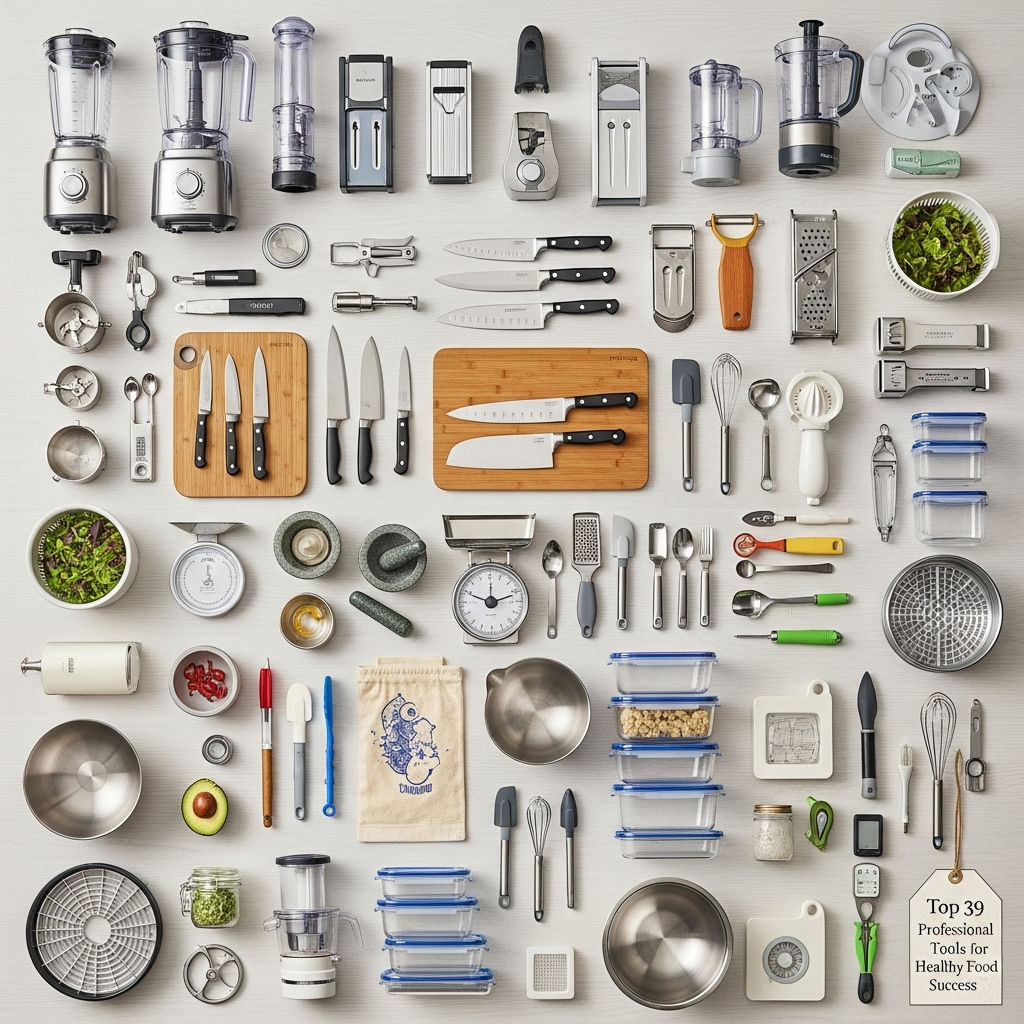
Mastering the Kitchen: Top 39 Professional Tools for Healthy Food Success
In the world of nutrition and culinary arts, the difference between a fleeting diet and a sustainable lifestyle often comes down to the tools at your disposal. Whether you are a professional chef, a dedicated meal-prepper, or a health-conscious entrepreneur, having the right equipment streamlines your workflow, preserves nutrient density, and makes healthy eating an effortless habit. Success in the healthy food space requires a blend of precision, efficiency, and the right technology.
Below is a comprehensive guide to the top 39 professional tools designed to elevate your healthy food journey and ensure long-term success.
Essential Preparation Tools for Precision
Preparation is the foundation of any healthy diet. These tools ensure that your ingredients are handled with care, preserving their texture and nutritional integrity.
- 1. High-Speed Blender: A professional-grade blender (like a Vitamix or Blendtec) is essential for creating silky smoothies, nut butters, and hidden-veggie sauces.
- 2. Professional Food Processor: Ideal for “ricing” cauliflower, making energy balls, or quickly chopping large volumes of vegetables for meal prep.
- 3. Japanese Chef’s Knife: A sharp, high-quality 8-inch knife reduces fatigue and makes slicing fibrous vegetables like kale and sweet potatoes a breeze.
- 4. Digital Kitchen Scale: Precision is key for portion control and professional baking. A digital scale ensures consistency that volume measurements cannot match.
- 5. Spiralizer: Turn zucchini, carrots, and beets into nutrient-dense pasta alternatives in seconds.
- 6. Adjustable Mandoline Slicer: Achieve paper-thin slices for salads or homemade baked vegetable chips with uniform thickness.
- 7. Herb Scissors: Five-blade scissors allow you to quickly mince fresh herbs directly into your dishes, maximizing flavor without bruising the leaves.
- 8. Large Salad Spinner: Dry greens last significantly longer and hold dressings better. This is a must for bulk-prep enthusiasts.
- 9. Citrus Press: Fresh lemon and lime juice are the ultimate low-calorie flavor enhancers. A professional press extracts every drop without the seeds.
- 10. Nut Milk Bag: For those avoiding additives, a fine-mesh bag is essential for making creamy almond or oat milk at home.
Advanced Cooking Equipment for Nutrient Retention
How you cook your food matters as much as what you cook. These tools focus on reducing unnecessary fats while locking in vitamins and minerals.
- 11. Air Fryer: Achieve a “fried” texture using 80% less oil. It is perfect for roasting chickpeas, tofu, and crispy vegetables.
- 12. Multi-Cooker (Instant Pot): This tool speeds up the cooking process for beans, lentils, and tough cuts of lean meat, making healthy cooking accessible on busy weeknights.
- 13. Bamboo Steamer: Steaming is one of the best ways to preserve water-soluble vitamins in vegetables and delicate proteins like fish.
- 14. Cast Iron Skillet: Durable and chemical-free, a seasoned cast iron pan provides a natural non-stick surface and a boost of dietary iron.
- 15. Sous Vide Immersion Circulator: Cook proteins to the exact temperature every time, ensuring lean meats like chicken breast stay juicy and flavorful.
- 16. Silicone Baking Mats: Eliminate the need for butter or oil on baking sheets while preventing food from sticking.
- 17. Ceramic Non-Stick Pans: Unlike traditional non-stick, high-quality ceramic is free from PFOA and PTFE, offering a safer way to cook eggs and delicate foods.
- 18. Digital Meat Thermometer: Avoid overcooking lean proteins. Knowing the exact internal temperature ensures your food is safe and delicious.
- 19. Food Dehydrator: Create your own kale chips, dried fruit, and jerky without the added sugars and preservatives found in store-bought snacks.
- 20. Slow Cooker: Set it and forget it. Slow cooking is ideal for batch-cooking healthy stews and bone broths.
Storage and Organization Solutions
Healthy food success is often won in the fridge. If your food is organized and visible, you are more likely to eat it before it spoils.
- 21. Glass Meal Prep Containers: Glass is non-porous, doesn’t leach chemicals, and is oven/microwave safe.
- 22. Vacuum Sealer: Extend the life of your bulk-purchased proteins and produce by removing oxygen, preventing freezer burn and oxidation.
- 23. Mason Jars: The gold standard for “salad in a jar” prep and overnight oats. They keep ingredients layered and fresh.
- 24. Reusable Silicone Stasher Bags: A sustainable alternative to plastic bags, these can be used for freezing, sous-vide, or steaming.
- 25. Label Maker: Professional organization requires dates. Labeling your containers ensures you use the oldest items first, reducing food waste.
- 26. Stackable Pantry Bins: Clear bins help you categorize dry goods like quinoa, nuts, and seeds, making inventory management easy.
- 27. Produce Saver Containers: These specialized bins regulate airflow and moisture to keep berries and leafy greens fresh for up to two weeks.
- 28. Oil Spritzer: Instead of pouring oil, use a refillable spritzer to lightly coat pans or salads, significantly cutting down on hidden calories.
Digital Tools and Technology for Tracking
In the digital age, data is your best friend. These tools help you monitor your progress and stay educated on what you are consuming.
- 29. Cronometer or MyFitnessPal: These apps provide detailed breakdowns of macro and micronutrients, ensuring you aren’t just eating “healthy,” but meeting your specific body needs.
- 30. Paprika Recipe Manager: A professional-grade app that scrapes recipes from the web, creates grocery lists, and helps you plan your weekly meals.
- 31. Smart Water Bottle: Staying hydrated is a pillar of health. These bottles sync with your phone to remind you to drink based on your activity level.
- 32. Nutrifix: An app that helps you find the healthiest options at local restaurants when you aren’t able to cook at home.
- 33. Meal Prep Scheduling Apps: Tools like “Mealime” allow you to choose a diet (Paleo, Keto, Vegan) and generate a streamlined prep plan.
Specialized Tools for the Healthy Food Professional
If you are looking to turn your passion for healthy food into a business or a high-level hobby, these tools bridge the gap between amateur and pro.
- 34. Professional Grade Juicer: Cold-press juicers minimize heat buildup, preserving the enzymes and nutrients in green juices.
- 35. Microplane Zester: Essential for adding citrus zest, ginger, or turmeric to dishes for a massive flavor punch without calories.
- 36. Mortar and Pestle: For the purest flavor, grinding your own spices and making fresh pestos releases essential oils that pre-ground versions lack.
- 37. Garlic Press: A heavy-duty press saves time and ensures the garlic is finely minced, releasing more of its heart-healthy allicin.
- 38. Food Photography Lighting Kit: If you are sharing your success on social media or a blog, good lighting is the difference between unappetizing food and “craveable” healthy content.
- 39. Canva for Nutritionists: Use this design tool to create professional meal plan PDFs, grocery lists, and educational infographics for your clients or followers.
Conclusion: Investing in Your Health
Achieving healthy food success is not just about willpower; it is about building an environment that supports your goals. By investing in these 39 professional tools, you remove the friction associated with healthy eating. You save time, reduce waste, and—most importantly—create food that tastes as good as it makes you feel.
Start by identifying the biggest “bottleneck” in your current routine. If you struggle with prep time, a high-quality food processor should be your first acquisition. If your food spoils too quickly, look into vacuum sealing or produce savers. With the right toolkit, your path to nutritional excellence becomes much clearer and infinitely more enjoyable.