
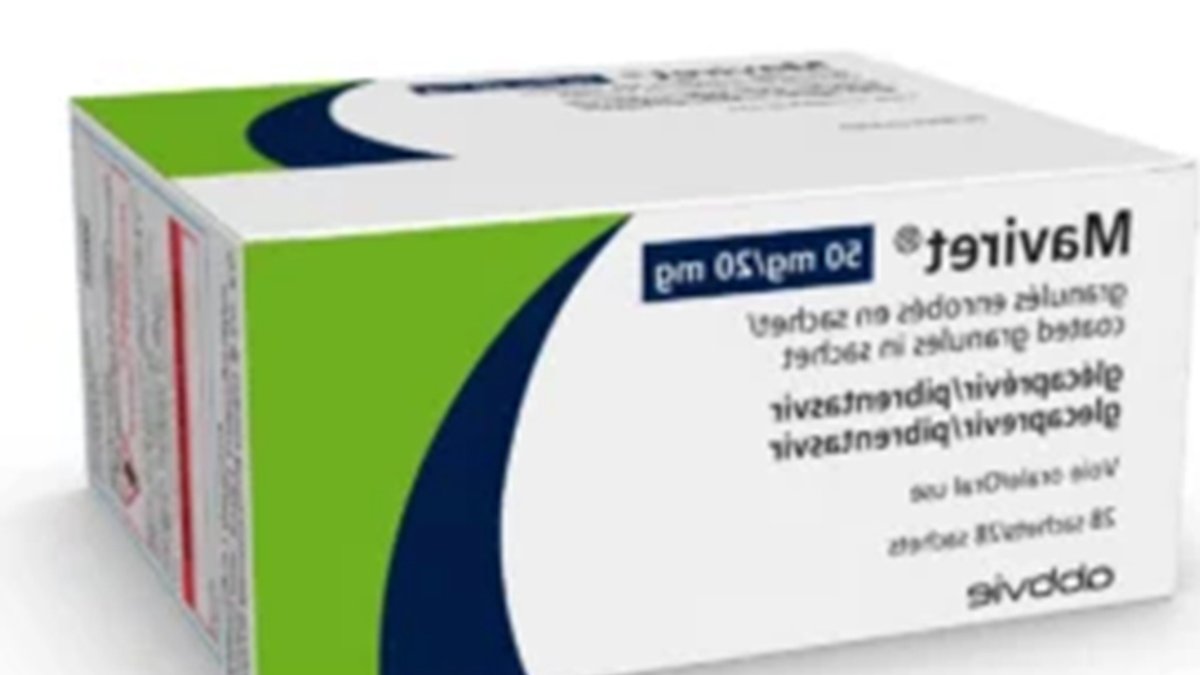
AbbVie’s MAVIRET achieved a 96% cure rate in HCV trial participants, but the real world presents more complicated challenges for widespread elimination.
Speed and efficacy
Approximately 69,000 Americans acquired hepatitis C in 2023, roughly double the rate seen in the mid-2010s despite the disease being curable with an eight- to 12-week course of oral antivirals for more than a decade. AbbVie’s MAVIRET became the first of those antivirals cleared for acute infection in June 2025, with a 96% cure rate in trial.
The Phase 3 trial that evaluated AbbVie’s Maviret, a direct-acting antiviral that targets HCV, showed a sustained virologic response rate (SVR) of 96.2% at 12 weeks in the intention-to-treat population and 100% in the modified intention-to-treat population excluding non-virologic failures, with no on-treatment virologic failures or post-treatment relapses.
Related: Florida’s Rising Trend: Why Emsella Chairs Are in High Demand
Real-world barriers
Before the acute indication, patients could be required to wait for confirmation of chronicity, even though current clinical guidelines support treatment as soon as acute infection is diagnosed. That delay can add unnecessary visits, create administrative barriers and, most importantly, increase the risk that patients disengage from care. Such delays may allow continued transmission and hamper HCV elimination efforts. In the EU, the drug, billed as MAVIRET, won extended approval to treat acute hepatitis C virus infections in June 2026.
Approximately 18% of the participants in the Phase 3 trial that evaluated Maviret for acute HCV were being treated for at least their second HCV infection and nearly 40% of those had two or more prior infections. Two participants had six prior infections. Among those with recurrent infections, the most common prior treatment was Maviret itself.
The study found that a history of prior HCV infection did not appear to affect the SVR. Moreover, no virologic failures were observed in the study, including among participants who had previously received Maviret for an earlier infection. These findings suggest that neither prior infection nor previous exposure to the same regimen compromised the virologic response to treatment of the current episode.
Related: The Science Behind Hormone Replacement Therapy: What You Need to Know
The acute indication provides a valuable tool in this context because it removes one practical barrier: clinicians no longer need to wait for confirmation of chronicity or rely on off-label prescribing before initiating treatment. For patients who are high-risk for reinfection—such as people who inject drugs or those with ongoing sexual exposure—the ability to start treatment immediately without waiting for a chronic diagnosis changes the clinical calculus significantly. While the drug clears the virus from the blood, it does not protect against future exposure, meaning a person could be cured today and contract the virus again next week if they continue to engage in the risky behaviors that led to the initial infection.
Where the data falls short
Only 14.3% of participants in the Phase 3 trial were classified as people who currently or recently injected drugs. Almost 50% of the participants had HIV, but all of them were receiving antiretroviral therapy, meaning they were connected to the healthcare system. These factors may have contributed to the trial’s low dropout rate and could limit how well the results generalize to people who aren’t regularly engaged in care. Data about people who are unconnected or have an unstable connection to the healthcare system is growing but remains limited.
For Gentile, Maviret’s label expansion in the EU marks a step towards translating clinical results to the real world. The next step is to determine how treatment can be delivered to harder to reach populations. Studies should include data such as the proportion of participants diagnosed who began treatment, time from diagnosis to first dose, treatment completion, loss to follow-up, documented SVR, reinfection and successful retreatment after reinfection.